Pressure on the scholar
1/4
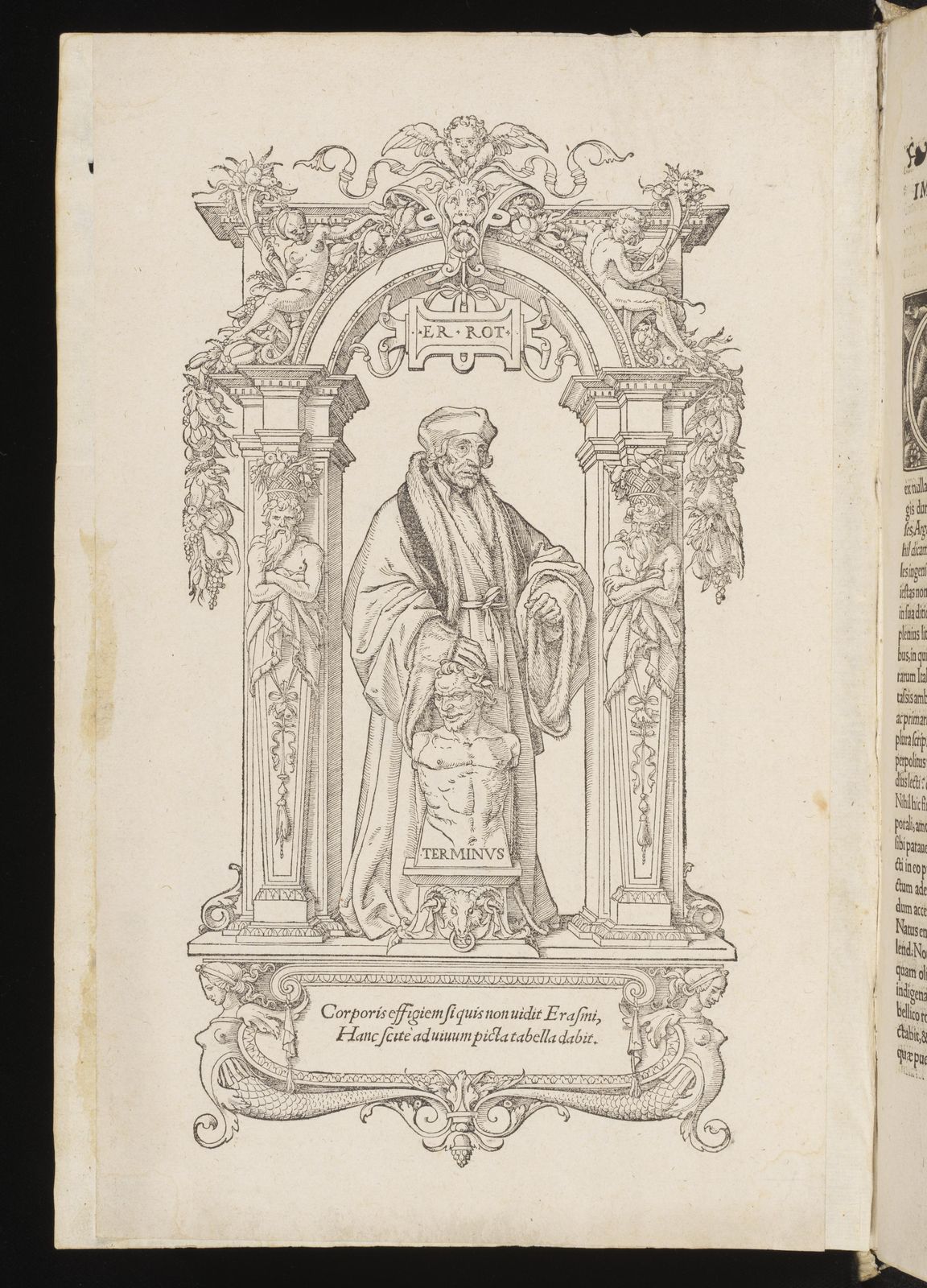
The wooden printing block of Hans Holbein the Younger’s portrait of Erasmus in an Enclosure (known in German as “Erasmus im Gehäuse”) is one of the few surviving printing blocks from the 16th century. It dates to 1538, two years after Erasmus' death.
Did worms once live in Erasmus' “house”?
Yet this wooden matrix is strangely full of holes. Where do they come from? Or did the holes serve a functional purpose, fixing the block in place when pressure was applied in the printing press?
For the printing block consists of one layer each of cherry and boxwood; A 3D model renders the joint between these two different woods visible. Why was it necessary to build the block in this manner? Why use two different types of wood? The portrait of Erasmus is a work of the highest precision, which could be achieved better by using hardwood such as boxwood. But such hardwoods were eensive because they grow slowly, which is why only a relatively thin boxwood board was deployed here.
2/4
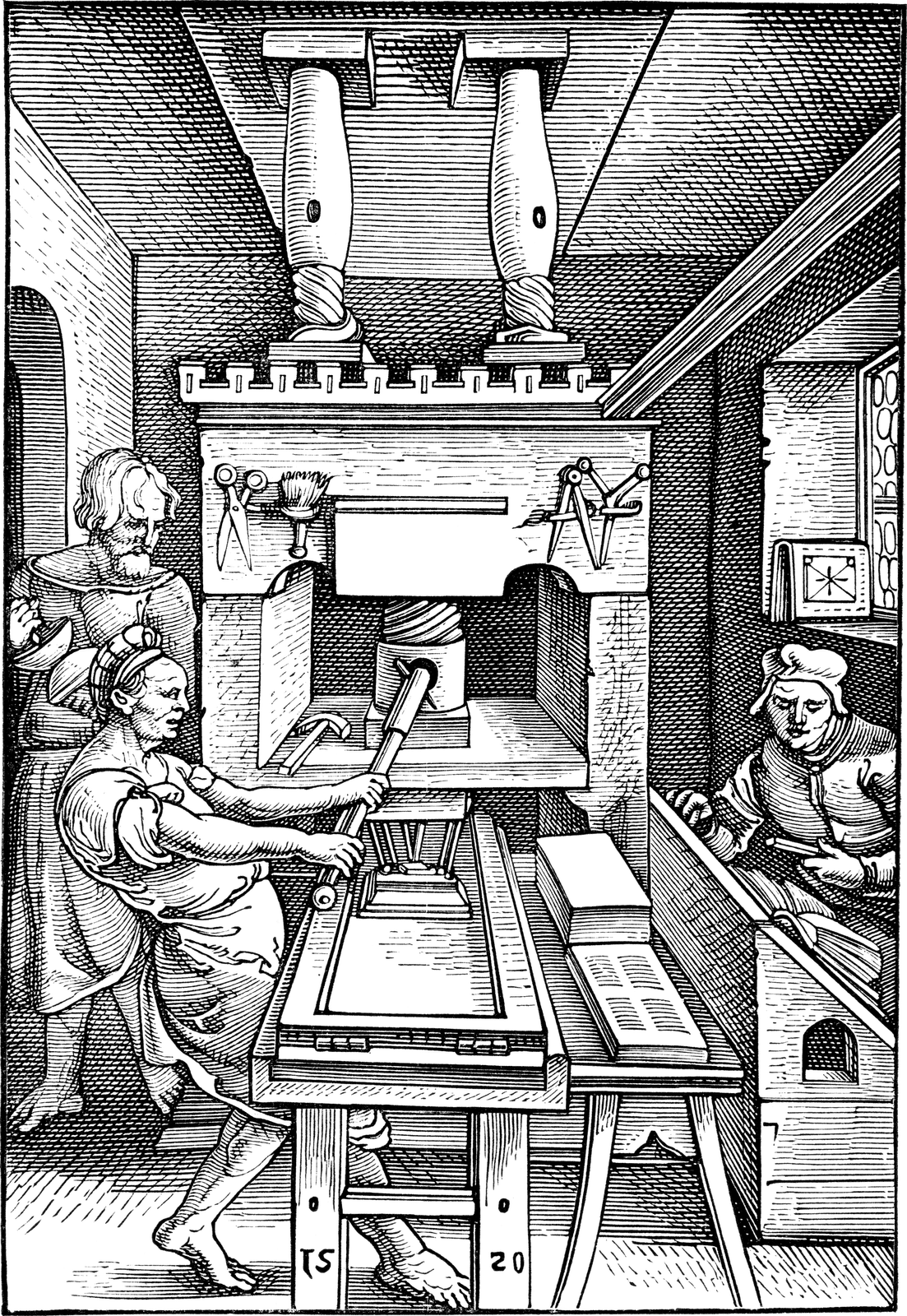
To prevent it from breaking under the enormous pressure of the press, the boxwood was reinforced with a thicker piece of cherry. The printing block thus combines knowledge about the nature of different woods and printing know-how with artistic skill and an entrepreneurial spirit.
3D models offer an alternative in conservation-sensitive cases - for the public and for experts.
The printing block was carved very precisely and extremely finely by Veit Specklin after an original design by Hans Holbein the Younger. This depiction of Erasmus was intended as an iconic portrait of the scholar, and its combination of artistic, poetic, and cultural-political significance also contributesd to the image of Basel as a scholarly republic.

3/4
The recess at the block’s lower edge indicates that the 'label Erasmus' could be used in different contexts; text could be inserted variably here and the connection to Erasmus could be given a personal touch. In fact, several prints have survived alongside the block. One print comes from the holdings of Basel’s Amerbach Cabinet and is now in the city’s Kupferstichkabinett.
The artist had to be also an expert on the texture of wood.
Another copy is pasted in the first volume of Erasmus' Opera omnia, which was published by Froben in 1540 and was also in possession of Bonifacius Amerbach.
4/4
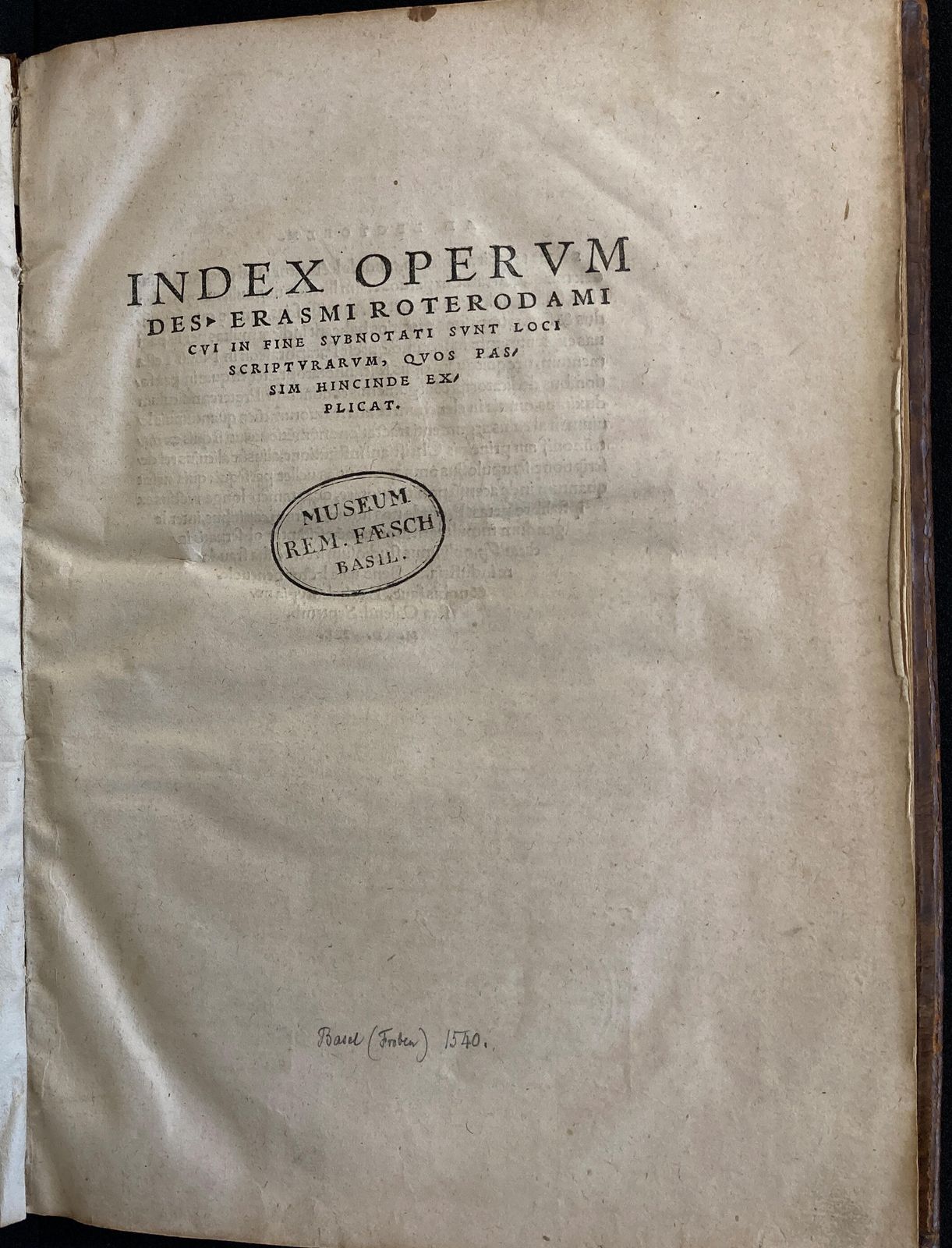
The inventory of the Museum Faesch from 1772 records a 'woodcut of Erasmo' in a drawer, which research has identified as the printing block. It is likely that Remigius Faesch also got hold of other relics of 'Saint Erasmus', because the index volume of the Opera omnia was likewise stamped MUSEUM REM. FAESCH.
Erasmus was a label with which the République des Lettres liked to adorn itself.
The 3D model, however, reveals minor details of the production as well as the materiality of the printing block. This makes it possible to examine and present a unique artifact to a broad public as well as to experts. For conservation reasons, the printing block should be exposed to as few fluctuations in temperature and humidity as possible, to which it reacts extremely sensitively; accordingly, it is rarely exhibited and hardly ever travels.